Hi everyone, something I have noticed that I would like to share with you. It is about the relation between a selenium deficit and the symptoms of Lyme disease.
I believe that this selenium deficit could very well play a crucial role in the development of Lyme disease. I did find some old notices that have been made during a lecture of dr. Gerhard Schrauzer from the US. He mentioned that all toxicity could be neutralised by a sufficient amount of selenium. If there is enough selenium in the body mercury silver fillings can cause no real harm, he said. Because selenium neutralises mercury completely.
This process however uses up the selenium in the body and hence diminishes your capability to fight infections and to neutralise toxins. Selenium has a central role in the functioning of the immune system because of its role in neutralising toxins and fuelling the macrophages in order to fight infection.
This could explain why one individual gets sick from infection with the Borrelia bacteria and others do not. Once a person falls ill, the selenium in the body gets used up by the process of fighting the bacteria and its neurotoxic excretions. (Vicious circle, since less selenium means less immune response.)
I noticed that K is aware of the role of selenium as he mentions 1200 micrograms in his protocol, while Burrascano only mentions a supplementation in the form of a multi vitamin and mineral preparations. link
It appears that there is a direct relationship between the number of people that get sick with Lyme disease and the percentage of selenium in the soil: "However, it is interesting to note, that in states that have the less lyme, there is more availability of selenium in the soils, which is a immune neuro protectant against viruses and bacteria."canlyme
It seems to me well worth figuring out whether the taking of larger amounts of Selenium has an impact on the pattern of the complaints.
200 micrograms is considered a basic dose, while for therapeutic effect a much larger quantity is needed.
Anyone an opinion on this?
Greetings, Leonardjio
** edited to remove LLMD's name **
[ 08-10-2011, 09:13 PM: Message edited by: sixgoofykids ]
Posted by jarjar (Member # 8847) on :
My doc has always been big on taking selenium for her patients. I did a spectra cell test years ago and selenium was the main thing shown that I was low on.
Posted by sickmate (Member # 31502) on :
interesting theory. but i always got worse on 200 microgram selenium.
Posted by Leonardjio (Member # 32906) on :
quote: jarjar: "My doc has always been big on taking selenium for her patients. I did a spectra cell test years ago and selenium was the main thing shown that I was low on."
Hi Jarjar, great doc! How did she go about this thing further? Have you been checked again later to see if levels were up? And how much of it were you prescribed to take? And, .... how are you now? greettsz
Posted by Leonardjio (Member # 32906) on :
quote:sickmate: "interesting theory. but i always got worse on 200 microgram selenium."
Hi sickmate, any idea why? There can be many theories why, but what is important is to first know where your seleniumlevel is at. If for some reason it is already too high, in the States it appears that selenium in the soil is in certain areas higher than f.e. in Europe, then adding can be unpleasant. But this is highly unlikely as it usually is too low when you are sick, mate.
But if it is very low, there can be a reaction when you put some in. Like when you give bread to a starving population: It can be messy when there are fights for it.
When it is low for a longer time, the body has depleted all major organs of their selenium content in favor of the immune function. What symptoms get worse when you take the 200? Could it be a symptom of fighting the bad guys?
The best thing to do is have seleniumlevel checked in blood or urine, so you know. Greettzz
[ 07-19-2011, 03:36 PM: Message edited by: Leonardjio ]
Posted by Lauralyme (Member # 15021) on :
Four brazil nuts a day can provide adequate selenium
Posted by James1979 (Member # 31926) on :
quote:Originally posted by Lauralyme: Four brazil nuts a day can provide adequate selenium
Too bad they're so yucky!
But now that you say we only need 4 a day, I might seriously try it. Thanks for the info!
Posted by chaps (Member # 25286) on :
Brazil nuts have a lot of L-Arginine, which activates the herpes viruses. Better to stick with the supplements and not get any unwanted by-products.
Posted by Hambone (Member # 29535) on :
My Selenium was in the tank when I was tested (Spectracell).
I also reacted negatively to supplementing. Made me feel weak and my insides burned.
Then again, everything I supplement with makes me feel worse.
Posted by fatherguido (Member # 25266) on :
quote:Originally posted by Hambone: My Selenium was in the tank when I was tested (Spectracell).
I also reacted negatively to supplementing. Made me feel weak and my insides burned.
Then again, everything I supplement with makes me feel worse.
Ditto for me as well. Selenium was one of several items I was deficient from the Spectra Cell report.
Posted by fatherguido (Member # 25266) on :
quote:Originally posted by Hambone: My Selenium was in the tank when I was tested (Spectracell).
Ditto for me as well. Selenium was one of several items I was deficient from the Spectra Cell report.
Posted by Lauralyme (Member # 15021) on :
@ James ha ha! I agree....not so tasty, too bad it wasn't cashews instead
Good point Chaps....I have the facial type herpes and interestingly I didn't outbreak while eating brazil nuts......maybe longer term it could happen though. I am just trying to cut costs from buying yet another bottle of supplements.
Posted by James1979 (Member # 31926) on :
Laura: Not only to cut costs, but to cut down on the number of pills we have to swallow! Dang. Sometimes I take so many pills it feels like I'm trying to swallow a mouse whole.
Posted by Leonardjio (Member # 32906) on :
quote:sickmate: "interesting theory. but i always got worse on 200 microgram selenium."
Well sickmate, I have found an article about this. Here's what is said: "If a selenium deficiency causes an iodine deficiency, leaving you both selenium and iodine deficient, and supplementing with either selenium or iodine causes severe problems, then the only solution is to supplement both selenium and iodine simultaneously and gradually.
You have to make sure that you correct every deficiency. Health is built from a chain of nutrients and, like a chain, health cannot be accomplished if one nutrient is missing. Sometimes it's complicated putting the chain back together without running into problems (like supplementing with either selenium or iodine, but not both), but every deficiency has to be corrected." -- (John)
For more you can look here: The Green Willow Tree Or here on the Forum Posted by Leonardjio (Member # 32906) on :
quote: Hambone: My Selenium was in the tank when I was tested (Spectracell). I also reacted negatively to supplementing. Made me feel weak and my insides burned. Then again, everything I supplement with makes me feel worse.
Hi Hambone, what did test low? Have you been checked again later? Why would you supplement when it was 'in the tank'?
Posted by Leonardjio (Member # 32906) on :
quote:fatherguido:
quote: Hambone: My Selenium was in the tank when I was tested (Spectracell).
Ditto for me as well. Selenium was one of several items I was deficient from the Spectra Cell report.
Hi fatherguido My understanding of 'in the tank' is that there is enough of it. So I do not understand your 'Ditto'. Am I missing something here? Were you tested again later on?
Posted by Leonardjio (Member # 32906) on :
quote: Lauralyme: I am just trying to cut costs from buying yet another bottle of supplements.
As far as I know, selenium is one of the cheaper supplements. But the Brazil Nut idea is a good one for maintenance. Don't break a tooth on them though. Posted by Hambone (Member # 29535) on :
quote:Originally posted by Leonardjio:
quote:fatherguido:
quote: Hambone: My Selenium was in the tank when I was tested (Spectracell).
Ditto for me as well. Selenium was one of several items I was deficient from the Spectra Cell report.
Hi fatherguido My understanding of 'in the tank' is that there is enough of it. So I do not understand your 'Ditto'. Am I missing something here? Were you tested again later on?
My selenium was very low. Nowhere near enough.
I have not been tested again. I was tested about 10 months ago.
Posted by Leonardjio (Member # 32906) on :
Okay, this means I took that expression the wrong way and those of you responding, that have been checked, were all low on selenium. That confirms....
The research on Aids has shown that there is a direct relation between selenium in the soil (and blood) and the spread of HIV/Aids and other research has shown a relationship between the presence of cancer and the level of selenium in the blood; High selenium means less Aids and less cancer.
It is not illogical that selenium plays a similar role in Lyme disease. It is not the bacteria that decide if one gets sick, it is the immunesystem that fails to fight the bug efficiently and effectively.
Why is the human immunesystem sometimes incapable of conquering this mean bug? Simply because it has been weakened by some factors.
In this way it is possible to go about your life feeling very well and at the same time carrying these bacteria with you, as long as the immunsystem is strong enough. Then for some accumulation of reasons your immunesystem becomes weakened and beng.... the disease spreads and gets everywhere. It is also possible that the immunesystem is weak to begin with and then one gets sick from the bite straight away.
To better understand the essential and crucial role of selenium in immunefunction, I have found this text that summs it up in short:
"the role of Selenium in immunity:
Selenium and Disease defense: how the immune system works
Selenium has a pivotal role in disease defense because it is critical to both the innate and adaptive arms of the immune system. It is present in the form of the antioxidant enzyme glutathione peroxidase (GPx) in scavenger white blood cells called macrophages that ingest and destroy invading pathogens as part of innate immune defense. When these cells ingest pathogens, they project parts of the invaders (called antigens) on their own cell surfaces to alert the T and B-cells.
T-cells and B-cells form the basis of adaptive or acquired immunity. T-cells are the effectors of �cell-mediated� immunity, while B-cells produce antibodies. T-cells are the �helper� cells of the immune system, and without them none of the various parts of the immune system, including antibody-mediated defense, operates efficiently.
There are two kinds of T-cells: CD4 cells (sometimes called T-helper cells) and CD8 cells, or �killer� T-cells. CD4 cells �see� the antigens displayed on macrophages, and then alert and direct the rest of the immune system including killer T cells, neutrophils and antibody-producing B cells to neutralize the attacker.
T- and B-cells, along with macrophages and neutrophils of the innate immune system, contain selenium in its antioxidant enzyme form. Macrophages and neutrophils lose their ability to �kill� pathogens when selenium is deficient; and T-cell numbers (and effectiveness) decline. Both factors contribute to an association between selenium deficiency and greater susceptibility to disease.
Selenium deficiency and HIV: a vicious circle
Low blood selenium levels have been linked to faster progression of HIV/AIDS, which has been attributed to a number of causes:
The target cell of HIV is the CD4 cell, which depresses T-cell numbers
Selenium deficiency reduces T-cell and overall immune system function
HIV robs the host of available selenium for its own purposes.
Selenium may slow viral replication
Deficiency of selenium in the diet can also contribute to poor T-cell activity."
[ 07-19-2011, 03:42 PM: Message edited by: Leonardjio ]
Posted by fatherguido (Member # 25266) on :
quote:Originally posted by Leonardjio:
quote:fatherguido:
quote: Hambone: My Selenium was in the tank when I was tested (Spectracell).
Ditto for me as well. Selenium was one of several items I was deficient from the Spectra Cell report.
Hi fatherguido My understanding of 'in the tank' is that there is enough of it. So I do not understand your 'Ditto'. Am I missing something here? Were you tested again later on?
I meant my selenium was deficient and I was tested again which was more favorable.
Posted by Leonardjio (Member # 32906) on :
quote:fatherguido: I meant my selenium was deficient and I was tested again which was more favorable.
Hi fatherguido, Thanks for that. Is it possible for you to describe how you went about to get a more favorable test? Can you perhaps tell what the numbers on the test were? Compared to the range. And how much selenium did you supplement and how much time was there between the tests? So many questions, I hope you don't mind.
[ 07-17-2011, 10:08 AM: Message edited by: Leonardjio ]
Posted by Leonardjio (Member # 32906) on :
In the light of the essential importance of immunity in health, it is interesting to see that in the farming business the important and central role of selenium for health has been recognized by the veterinary organizations. There has been a seleniumalarm in Flanders, Belgium.
This is part of that story: Selenium is important for maintaining a normal growth and production as well as the buildup of immunity. A recent field check on cow meat enterprises in Flanders has proven that the animals have alarmingly low selenium levels in their blood.
"Two large Belgian cow meat enterprises that had problems with all sorts of complications around Caesarean delivery, were the real reason of our investigation", says De Bleecker, leading veterinarian.
"The companies were modern enterprises with a very high hygiene on all levels. And yet there were many wound infections, peritonitis, constrictions with newborn calves and other health complications.
Sometimes acute death of the calves of one month old. A screening of the companies taught us that copper- and zinc-levels were ok. But in both cases the average selenium levels were low, too low: 18 micrograms in the one case and 27 micrograms in the other. A normal level of this kind of animal is around 75 micrograms a liter blood-serum"
Koen de Bleeker: "First check seleniumlevel, before you take any other action."
"Cows with chronic selenium deficiency have a much higher risk of diminished fertility, holding on to the afterbirth, respiratory problems, diarrhea and other problems related to immunity."
[ 07-19-2011, 03:47 PM: Message edited by: Leonardjio ]
Posted by Leonardjio (Member # 32906) on :
What an expert has to say on selenium. Dr. Richard Passwater:
"SELENIUM?
A trace mineral essential for many body processes, Selenium is found in soil. In the body, selenium is present in virtually every cell but is most abundant in the kidneys, liver, spleen, pancreas and testes.
Although researchers didn�t discover the importance of this trace mineral until 1979, selenium quickly gained prominence as a potentially powerful cancer fighter. Many experts now believe it could prove to be one of the most important disease-fighting nutrients.
What does Selenium do?
Selenium acts as an antioxidant, blocking the rogue molecules known as free radicals that damage DNA. It is part of an antioxidant enzyme (called Glutathione Peroxidase) that protects cells against environmental and dietary toxins, and helps guard against a range of disorders � from cancer, heart-disease, cataracts and macular degeneration to strokes and even aging � thought to be caused by free-radical damage. It also fights viral infections, reduces the severity of cold sores and shingles, and helps relieve lupus symptoms.
Selenium has received a lot of attention recently for its role in combating cancer. A dramatic five-year study conducted at Cornell University and the University of Arizona showed that 200 mcg. of selenium daily resulted in 63% fewer prostate tumours, 58% fewer colorectal cancers, 46% fewer lung malignancies, and a 39% overall decrease in cancer deaths.
In other studies, selenium showed promise in preventing cancers of the ovaries, cervix, rectum, bladder, oesophagus, pancreas and liver, as well as against leukaemia. Studies of cancer patients indicate that people with the lowest selenium levels developed more tumours, had a higher rate of disease recurrence, a greater risk of cancer spreading, and a shorter overall survival rate than those with high blood levels of selenium.
Additionally, selenium can protect the heart, primarily by reducing the stickiness of the blood and decreasing the risk of clotting � in turn, lowering the risk of heart attack and stroke. Moreover, selenium increases the ratio of HDL (good) cholesterol to LDL (bad) cholesterol, which is critical for a healthy heart.
Smokers or those who have already had a heart attack or stroke may gain the greatest cardiovascular benefits from selenium supplements, though everyone can profit from taking selenium.
Selenium may be useful in preventing cataracts and macular degeneration, the leading causes of impaired vision or blindness in the elderly. It is also vital for converting thyroid hormone, which is needed for the proper functioning of every cell in the body, from a less active form (called T4) to its active form (known as T3).
In addition, selenium is essential for a healthy immune system, assisting the body in defending itself against harmful bacteria and viruses, as well as cancer cells. Its immune-boosting effects may play a role in fighting the herpes virus that is responsible for cold sores and shingles, and it is also being studied for possible effectiveness against the human immune virus.
Selenium appears to have some anti-inflammatory benefits as well and may improve chronic conditions such as rheumatoid arthritis, psoriasis, lupus and eczema.
Selenium improves your health � eyes to your heart and beyond!
Selenium is one of the essential body substances that can be used in a preventive manner for many diseases, including cancer, arteriosclerosis, stroke, cirrhosis, arthritis and emphysema.
Selenium works closely with vitamin E in some of its metabolic actions and in the promotion of normal body growth and fertility. Selenium is a natural antioxidant that protects against free radicals and appears to preserve elasticity of tissue that becomes less elastic with aging, in fact selenoproteins are involved in processes concerning everything from reproduction to thyroid activity, correct eye functioning, DNA synthesis, muscle function, and the efficient working of the heart. For example, it is essential for helping the body to maintain healthy thyroid function, which is critical for regulating metabolism, and improves certain energy producing cells, including those of the heart, by ensuring adequate oxygen supply.
Selenium is probably best known as an antioxidant because it is an essential component of glutathione peroxidase (Gpx)
Selenium carries out antioxidant, and immunostimulating functions and works towards preventing the body ageing too quickly as a result of tissue oxidation, and as a result, it helps prevent age related degenerative diseases such as Parkinsons and Alzheimers."
Dr. Richard A Passwater, PHD World-renowned expert on nutrition and nutritional supplements, and respected biochemist.
It would be wise to have your seleniumstatus checked. Just to be certain.
Posted by Leonardjio (Member # 32906) on :
And another doc aware of the selenium connection.
The battle against oxidative stress
Because selenium works as an antioxidant, it may provide important health benefits to people whose oxidative stress loads are high. Examples of these are smokers, and those with inflammatory diseases, like rheumatoid arthritis or people who suffer from infections that compromise their cell immunity.
For this reason, this compound has particular significance for those with infectious diseases . It�s very much needed for the proper functioning of the immune system, and appears to be a key nutrient in counteracting the development of viruses and retroviruses including those responsible for Ebola, bird Flu and Hepatitis.
The fight against cancer
Not only those with viral conditions need it. Several epidemiological studies have shown that people with the highest levels of selenium have a reduced risk of getting cancer. Those with high selenium levels who already have cancer may have less chance of dying from it. As early as 1969, scientists showed that cancer mortality rates fell if people had high exposure to sources of it and that it might therefore have a protective effect against cancer in humans. Since then, the literature on the compound and cancer has grown extensively to include several important studies. Particularly famous are the results of the Linxian trial in China, which has one of the world�s highest rates of throat cancer. Plenty of other studies have shown that consuming more of it could help you cut your risk of developing and dying from prostate, colorectal and lung cancers.
Dr. Larry C. Clark, MPH, PHD University of Arizona.
Posted by Leonardjio (Member # 32906) on :
For those who cannot get enough of this , more info on selenium by Dr. Will Taylor, University of Georgia:
Getting enough Selenium?
So how can we ensure we�re getting enough selenium? In the human body, its blood and tissue concentrations are extremely low. Despite its importance, there is little of it in our body, which means that it must be supplied by our daily diet.
Good sources of it include meat, grains, fish and dairy products, but most of our common foods actually contain a very low level of selenium. The reason for these low levels concerns the fact that it is a trace mineral derived from plants that extract selenium from soil. That means its availability is largely dependent on soil conditions.
Selenium depends on the soil.
The selenium content of food is dependent upon the extent of its presence in the soil, whether directly, as in plant foods, or indirectly, as in animal products whose selenium levels are derived from feed. Even if selenium levels are adequate in the soil, the sulphur contained in widely used fertilizers and sulphuric compounds found in acid rain inhibit plant absorption of the mineral.
Selenium-poor soils include those in volcanic regions, acid soils, and soils with high iron and aluminium content: parts of Europe, China, New Zealand and Africa are particularly well known for having selenium-deficient soils. Low or diminishing selenium status in some parts of the world, notably in some European countries, is really giving doctors cause for concern.
The amount of selenium in our meat sources also varies greatly, depending on the levels of it in the plants the animals eat. However, not all forms of selenium are equally useful in the body. Inorganic sources such as sodium selenite and selenate are typically added to human and animal foods, but much of the selenium consumed in this form is excreted rather than retained and used.
Selenium compounds in foods are easily reduced by heat, processing, and cooking. Refining of grains reduces selenium content, by 50 to 75 per cent, boiling by 45 per cent. Organic Selenium found in nature (plants) is ideally suited to digestion and metabolism.
These selenoamino acids are retained by the body and result in more selenium available for critical functions. Organic selenium is the ideal form of selenium supplementation for human and animal diets.
Supplementing one�s diet with organic selenium assures adequate amounts of this useful mineral in the body to act as an overall immune booster and powerful anti-oxidant.
Link between deficiency in soil and ailments
Low soil levels of selenium are associated with higher cancer rates (whereas selenium-rich areas have below-average cancer rates, particularly for breast, colon, lung and prostate cancer). Other problems include heart disease, skeletal and muscle problems, growth retardation, reduced immune function, depression, and higher risk of miscarriage.
A deficiency of selenium may lead to premature ageing. This is because selenium preserves tissue elasticity. Selenium may improve energy levels, prevent and relieve arthritis, slow down the ageing process by attacking free radicals and prevent cataracts.
It is an important element that protects against high blood pressure, stroke, heart attack, and hypertensive kidney damage. Selenium with vitamin E has been used successfully in reducing or eliminating recurrent angina attacks and increasing strength and vigour and improving electrocardiograms in heart patients.
It has been used successfully in improving the condition of persons with cystic fibrosis. Muscular dystrophy patients respond positively to selenium and vitamin E. Research in the early 1970�s has proved that selenium protects against radiation. It also binds to metals such as mercury, cadmium, silver and thallium, preventing their absorption in the body and aiding their excretion.
Dr. Will Taylor. University of Georgia. USA.
Posted by Leonardjio (Member # 32906) on :
How much Selenium do you need?
The RDA for selenium is 70mcg for men, and 55 mcg for women daily. To produce major benefits , up to 600 mcg a day may be needed. Falling below the RDA however, may lead to higher incidences of cancer, heart disease, immune problems and inflammatory conditions of all kinds, particularly those affecting the skin.
Insufficient amounts of selenium during pregnancy could increase the risk of birth defects (especially those involving the heart) or, possibly, sudden infant death syndrome (SIDS). Early symptoms of selenium deficiency include muscular weakness and fatigue.
Most experts agree the optimum dose for long-term use of selenium should fall between 100mcg and 400mcg daily. Up to 600mcg daily may be taken for a limited time as a treatment for infections or as part of a cancer treatment programme. Vitamin E enhances selenium�s effectiveness.
The most abundant food sources of selenium include Brazil nuts, seafood, poultry, and meats. Grains, particularly oats and brown rice may also have significant amounts, depending on the selenium content of the soil in which they grow.
Which is the best supplement?
A good seleniumproduct must contain many essential seleno-proteins (including selenomethionine and selenocysteine) in the form found naturally in plants (e.g. broccoli and garlic).
Posted by Leonardjio (Member # 32906) on :
"Selenium levels are generally low in patients with rheumatoid arthritis. Low selenium levels in joint tissues may be a significant factor contributing to the inflammatory process in rheumatoid arthritis.
Selenium plays an important role as an antioxidant and serves as the mineral cofactor in the free-radical scavenging enzyme glutathione peroxidase. This enzyme is also important in reducing the production of inflammatory compounds that cause much of the damage to tissues seen in rheumatoid arthritis. A deficiency of selenium would result in even more significant damage."
("The symptoms of Lyme disease have frequently been misdiagnosed as rheumatoid arthritis and subsequently mistreated.")
Source. Posted by Leonardjio (Member # 32906) on :
Just to show it sometimes takes a lot of selenium to raise bloodlevels. Clearly it is necessary to monitor seleniumlevels when you are sick, for it may take astronomous quantities to reach optimum levels:
"ALTERNATIVES IN CANCER THERAPY" by Ross, R.Ph. Pelton, Lee Overholser
"Dr. Donaldson discovered that in most of his patients, normal doses of selenium did not produce much of an increase in the blood levels of selenium. In fact, very high oral doses of selenium were required to bring up the blood levels of selenium in his cancer patients.
In a letter to Nutrition 21 dated May 11, 1979, he indicated, "We are now able, with nearly 100 percent regularity, to increase the blood levels by several fold by giving 1,000 to 2,000 micrograms of selenium daily and then dropping back to a maintenance dose."
In one case, a dosage level of 2,700 mcg/day for two months followed by six weeks of 5,000 mcg/day was required to bring up the selenium blood levels. However, it must be emphasized that selenium is a trace mineral and the doses Dr. Donaldson was using are potentially toxic. Dosages from 2,700 mcg to 5,000 mcg per day could produce symptoms of selenium toxicity-in a normal (healthy) person.
One important aspect of Dr. Donaldson's work is the discovery that many cancer patients apparently don't absorb selenium well. Potentially toxic levels of oral selenium had to be administered in order to achieve normal blood selenium levels. When normal blood selenium levels were reached, Dr. Donaldson documented marked improvement in his patients and, in some cases, remission of advanced cancers.
One study in China reported that a daily dose of 500 mcg of selenium over a period of several years is safe for healthy humans. The higher dosage of selenium that appear to be necessary to help cancer patients can be toxic for healthy people.
Dr. Schrauzer reports that dosages of 2,000 to 5,000 mcg per day will produce toxicity symptoms after several months. However, since the early symptoms of selenium toxicity such as nausea, weakness, and discoloration of the fingernails are hardly ever overlooked, high doses have not been reported to have caused any fatalities."
Glutathione peroxidase is one of the most important antioxidant enzymes in our immune system. This important enzyme is selenium dependent, with each molecule of the enzyme containing four atoms of selenium. This enzyme protects cell membranes and tissues against the destructive effects of hydroxyl (OH) free radicals, and its antioxidant and anticancer effects are very much dependent on selenium availability
[ 07-30-2011, 03:12 PM: Message edited by: Leonardjio ]
Posted by Leonardjio (Member # 32906) on :
Over nine months, the University of Miami team gave 91 HIV patients a daily capsule containing 200 micrograms of high-selenium yeast, and another 83 patients a daily placebo capsule.
The two groups had similar selenium levels at the beginning of the study, but after nine months levels were higher in the group taking the capsules containing the mineral.
Those with higher selenium levels in their blood were more likely to have a lower HIV viral load, and higher numbers of CD4 cells, which play a key role in fighting off infection.
Selenium Critical to General Health and Thyroid Function by Mary J. Shomon
Researchers writing in the July 15, 2000 issue of the British-based international medical journal, The Lancet, called attention to the importance of selenium to health, citing the trace mineral's potential to reduce the risk of thyroid problems, pregnancy and fertility problems, heart disease, and progression of HIV to AIDS, among other important findings.
According to the review study, diet and geographic location can impact the amount of selenium you are getting. Selenium is an essential trace mineral found in the soil. Typically, crops will convert selenium into organic forms that can be absorbed nutritionally by humans. Getting sufficient quantities of selenium may increase thyroid hormone metabolism, improve fertility, help fight cancer, and reduce risk of cardiovascular disease and arthritis.
The author of the study, ("The importance of selenium to human health," The Lancet, Volume 356, Number 9225, 15 July 2000), Margaret Rayman, a professor of nutritional medicine at the University of Surrey in Guildford, England, began focusing on selenium several years ago, after her research into the condition known as preeclampsia showed that low selenium levels were a common denominator in all the women in the study. Her research went on to discover that in the UK, and in Europe as well, selenium levels were abnormally low overall. Rayman found that dietary consumption of selenium had dropped 50% in the past two decades, a time period during which the UK had reduced it imports of selenium rich North American wheat in favor of selenium poor European wheat.
In addition to the relationship to early miscarriage, male infertility, mood problems, thyroid disorders, cardiovascular disease and arthritis, Rayman also discovered that selenium plays a key role in viral infections. In particular, higher selenium levels can help slow down the replication of the HIV virus. Her study actually found that "AIDS patients with low levels of selenium were 20 times more likely to die from an AIDS-related illness than those with healthy levels of the mineral."
German researchers have found that in areas with severe selenium deficiency, there is a higher incidence of thyroiditis due to a reduction in the activity of selenium-dependent glutathione peroxidase in thyroid cells. Selenium-dependent enzymes also have a number of effects on the immune system, and selenium deficiency can contribute to the development and continuation of autoimmune thyroid diseases.
In the study, patients received 200 micrograms of sodium selenite supplements over three months. Thyroid antibody levels decreased by as much as 40 to 63%, and a small percentage of patients in the selenium-treated group had antibody levels that completely returned to normal. The researchers concluded that selenium supplementation may reduce inflammation in patients with autoimmune thyroiditis.
Source: The Journal of Clinical Endocrinology & Metabolism, Vol. 87, No. 4 1490-1498 Posted by Leonardjio (Member # 32906) on :
quote: sickmate: interesting theory. but i always got worse on 200 microgram selenium.
quote: Hambone: I also reacted negatively to supplementing. Made me feel weak and my insides burned.
Found this to possibly explain the adverse reactions to selenium:
"When people have no heavy or toxic metal concentrations in their body (that bind to selenium), there are generally no negative symptoms experienced when taking about 200 mcg of selenium a day, however when Se is very low when first supplemented (perhaps due to toxic / heavy metal storage), and larger amounts are taken, adverse effects are very commonly experienced the first few weeks due to the heavy or toxic metals being eliminated by the body.
In that case, I always urge my patients to slowly increase their selenium dose from as low as 25 mcg per day (or even lower), up to eventually the full dose, which generally is around 100 mcg, or sometimes higher, depending on circumstances.
Organic forms of selenium (selenium yeast and selenomethionine, or selenocysteine) are always preferable to inorganic forms such as sodium selenite because of their better absorption and lower toxicity, even when ingested at much higher amounts. In contrast, due to its free-radical promoting oxidative nature, inorganic selenium is mutagenic and has caused cataracts at high doses in animal studies, while organic selenium is less toxic, and does not have mutagenic or oxidizing activity.
Deficiency of selenium leads to lowered glutathione peroxidase activity (cardiovascular disease) and this deficiency is implicated with a higher risk for cancer of the liver (particularly from hepatitis B), lungs, breast, skin, rectum, colon, and prostate."
Thanks for the info!
Posted by Leonardjio (Member # 32906) on :
Thanks for the 'uplift', Limetutu.
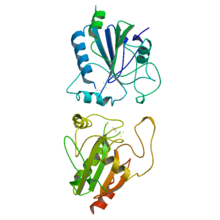
"Most forms of the Mammalian Glutation Peroxidase have been shown to be selenium-containing enzymes.
As the integrity of the cellular and subcellular membranes depends heavily on glutathione peroxidase, the antioxidative protective system of glutathione peroxidase itself depends heavily on the presence of selenium." Wiki
Crystallographic structure of bovine glutathione peroxidase
Posted by GiGi (Member # 259) on :
This study seems to indicate that quite high selenium intake had no toxic effects.
"We found no evidence of toxicity from selenium in subjects whose intake was as high as 9.20 mumol/d (724 micrograms/d)."
Posted by nhlymeguy (Member # 30783) on :
how do you test for selenium?
Posted by Pam08 (Member # 19203) on :
I think selenium can be helpful but don't expect it to be a cure all.
Despite me being ill my selenium has always tested on the high end of normal. In fact several times it came back a bit too high and was out of range. So for whatever reason the lyme and co hasn't depleted my selenium.
So you can still be sick with lyme and everything else despite having good selenium levels.
Posted by Leonardjio (Member # 32906) on :
quote:Originally posted by nhlymeguy: how do you test for selenium?
You can ask your doctor and get the test for free, but also can you find a commercial testing done, for that you can check with google. I cant give you a name cause I dont want to have anyone thinking I have a commercial interest here. You can have bloodserum done or whole blood or intracellular.
Posted by Leonardjio (Member # 32906) on :
quote:Originally posted by Pam08: I think selenium can be helpful but don't expect it to be a cure all.
Despite me being ill my selenium has always tested on the high end of normal. In fact several times it came back a bit too high and was out of range. So for whatever reason the lyme and co hasn't depleted my selenium.
So you can still be sick with lyme and everything else despite having good selenium levels.
Hi Pam, thank you for this information. Selenium is a basic ingredient and is necessary for glutathione to build. If there is a problem however with this mechanism, Glutathione can remain low and selenium still high. So now it would be interesting to know where your Glutathione level is at. Has this ever been done for you?
Glutathione is so important when you are sick, so I am wondering. Maybe you need one of the three components of G.. Often it is NAC that is needed. Curious... Posted by Leonardjio (Member # 32906) on :
While considering the role of selenium with Lyme there have been many indications that selenium is a basic premise for health mainly because of its role in the production of Glutathione in the body. Selenium is necessary to produce Glutathion, because several selenodependent enzymes play a role here. When you check all the aspects now known about Glutathion it becomes impressively clear that Glutathion is the master antioxidant necessary for maintaining health in all its different aspects.
It seems a common denominator for most chronic ailments comes into focus:
Glutathion deficiency.
When selenium is deficient, then Glutathione will also be, but when selenium is sufficient, this doesn't mean Glutathione will be sufficient also. It is more complicated than that.
From what I have understood, its like stumbling upon the common denominator of most chronic diseases, not in the least Lyme. Our modern world is in many ways a Glutathion destroyer and once a threshold has been crossed and G. has become depleted to a certain point, the substance cannot regenerate itself nor the other anti-oxidants and you become subjected to a cascade of free radicals and trouble. That is when you no longer regenerate yourself and chronic disease, whatever type it may be, takes over. This viewpoint is relatively new to me, although in the information around amalgam G. has been mentioned at different occasions.
Now the most logical reaction to this information would be to simple try to supplement Glutathion and live happy ever after.
Unfortunately it is not this simple as the body has to make G. itself in order for it to be into every single cell. Its like the monkey that picks a banana out of a small hole in a container. Without the banana his hand can go in and out, but with the banana the hand cannot go through the hole again. So with Glutathion, once it is assembled it cannot go into the cell anymore, therefor it is tried with selenium and the precursors to give the body enough building material to make G. by itself and in the cell. This seems to work particularly by giving selenium and NAC because this is the ingredient of G. that is lacking in our food the most.
For animals it has been shown that NAC, ALA, Pycnogenol, Cinnamon, Turmeric, Piper longum (Pippala) helps to increase Glutathion levels.
Maybe someone reading this has more information or experience about this. I believe this is truly an important factor, because there is no doubt about the fact that depleted Glutathion is what most suffering chronic patients have in common.
[ 02-16-2013, 04:50 AM: Message edited by: Leonardjio ]
Posted by Leonardjio (Member # 32906) on :
Important information concerning glutathion intake :
Often it is given by intramuscular injection or intravenously. This way the body receives a boost of glutathion, but there appears to be a feedback inhibition in glutathione synthesis. This means that if levels are excessively increased, the body may decrease its natural production.
So it seems best to simply provide the body with the optimal quantities of materials that are needed to make glutathione where it is needed. In the cells. First it is needed to optimize selenium levels for the necessary enzyme building and then NAC, along with ALA and vitamin C are vital for the natural production of glutathione.
''Patients who have chronic infection for more then 90 days should ask their physicians to check their glutathione levels.''
Particularly for Lyme it would be interesting to know where peoples levels of glutathione are at, because this master antioxidant plays a role in several aspects of the disease.
I hope this can inspire further communication on the subject.
Posted by Pam08 (Member # 19203) on :
Hi Leonardjio,
You know I can't remember if I have had my glutathione levels checked or not. I want to say that I have but I will have to go back through all of my lab work to double check.
If I find it I will let you know how my levels were.
All of these things are definitely important for the body and immune system so it is great that you are bringing this to peoples attention.
Pam :-)
Posted by Leonardjio (Member # 32906) on :
Hello Pam, so nice of you to tell this. I hope you will find your lab-papers. And I also hope you too will benefit from all this information.
Greetzz Leonard
Posted by Leonardjio (Member # 32906) on :
How about this?
"Germ gangs, otherwise known as biofilms, indicate that a �call to war� is linking bacteria together in a hostile mode that attacks the human host. A new study shows that NAC (N-acetyl-cysteine)1 can reduce biofilm formation by 62% - a rather astounding finding for a nutrient.
The researchers tested NAC against a wide variety of problematic bacteria, including Staphylococcus aureus, Staphylococcus epidermidis, Escherichia coli, Klebseilla pneumoniae, Pseudomonas aeruginosa and Proteus vulgaris.
Once these organisms form biofilms they are often resistant to antibiotics and very difficult to get rid of. Too bad NAC wasn�t tested against Candida albicans biofilms, as I bet it works on them too.
The precise mechanism of how NAC works its anti-biofilm magic is unknown. NAC is an important antioxidant that fuels the production of cellular glutathione.
NAC is known to dissolve mucous and is an excellent respiratory support nutrient. Low levels of NAC reduce the functionality of immune troops that patrol mucosal surfaces.
However, to dissolve a biofilm there must be a direct communication into the germ gang that fools its defense shield. Right now we don�t know how it works � we just know it works."
In 1992, I was diagnosed hypothyroid. A year later, I got sick with lyme and I'm only recently thinking this is related.
Selenium is needed for healthy thyroid fundtion. So I'm thinking maybe my immune system was down and allowed Bb to take over.
Hypothyroidism runs in my family however, so maybe selenium doesn't explain it. Could we all be selenium deficient?
Sorry if I'm getting off topic.
This all gets too complicated.
Posted by disturbedme (Member # 12346) on :
This is a very interesting thread. I was just going to purchase some selenium soon too. I was just diagnosed this month after a laparoscopy with endometriosis and I read an article that said that a deficiency in selenium could definitely be a cause for endometriosis or at least not do any good for it and make more problems for a person with endometriosis.
Posted by Catgirl (Member # 31149) on :
Wow. Leonardjio, really good post (don't know how I missed this one)! Thanks for posting all the good info!
Posted by nonna05 (Member # 33557) on :
Lord, so much info...so can you eat Brazil nuts or not and how many??/I just bought a bag of raw B-nuts and popped 4-7 around medicines to coat gut ,plus I thought sick so might need selenium...could it make you herx or anything?
Posted by Leonardjio (Member # 32906) on :
quote:Originally posted by Marz: So much good info here. Thanks.
In 1992, I was diagnosed hypothyroid. A year later, I got sick with lyme and I'm only recently thinking this is related.
Selenium is needed for healthy thyroid function. So I'm thinking maybe my immune system was down and allowed Bb to take over.
Sorry, I have not been here a while. Your conclusion makes sense.
quote:Originally posted by Marz: Hypothyroidism runs in my family however, so maybe selenium doesn't explain it. Could we all be selenium deficient?
Selenium/glutathione is a part of the story. Vitamin C plays a huge part too.
Seriously possible that you are all selenium deficient. Could be the soil, the same food and also the same mercury fillings, as mercury depletes selenium.
Good health for you! Posted by Leonardjio (Member # 32906) on :
quote:Originally posted by Catgirl: Wow. Leonardjio, really good post (don't know how I missed this one)! Thanks for posting all the good info!
Thanks for your gentle reaction. Glad you appreciate. Here is some more about how important this is for the immune function. If it helps with cancer it helps with lyme, no doubt.
Vitamin C and NAC Slow the Spread of Cancer Byron Richards, CCN
New research shows that Vitamin C and NAC (N-Acetyl Cysteine) significantly inhibited the spread of lymphoma or prostate cancer cells that were implanted in mice.� Scientists had previously believed that the ability of antioxidants to protect against cancer was mainly due to protecting the DNA of cells from damage.�
In this new study it was proven that these antioxidants actually worked by preventing cancer cells from replicating. It has long been known that vitamin C and NAC fuel the production of cellular glutathione, the primary antioxidant in a cell that protects it from damage. � It has also been known that cellular glutathione powers immune cells and the ability of natural killer cells to knock out cancer.� This study shows that the immune boosting properties of these antioxidants are vital for a proper cancer defense system.�
Since antioxidants are readily depleted by stress of any kind, supplementing with a combination of synergistic antioxidants containing vitamin C and NAC is plain common sense.
quote:Originally posted by nonna05: Lord, so much info...so can you eat Brazil nuts or not and how many??/I just bought a bag of raw B-nuts and popped 4-7 around medicines to coat gut ,plus I thought sick so might need selenium...could it make you herx or anything?
Hi Nonna, answer to this is here Posted by Susie R (Member # 30780) on :
Whenever possible, I try to use whole foods instead of pills. Same reason I make a lot of my own herbal preparations from whole plants. there are chemicals in there
I use a sprinkle of kelp flakes for iodine (because I use sea salt in food--no iodine); I eat one brazil nut a day for selenium; I eat a small spoonful of salmon roe daily for Vit. D and omega 3's; I eat raw oysters once a month for zinc and I try to eat a lot of brightly colored vegetables and fruits for antioxidants.
Every now and then, I make a smoothie using parsley and cilantro with a little lime juice, raw honey, pomegranite or cranberry juice and water. Good for the liver....
Susie
Posted by lpkayak (Member # 5230) on :
link doesn work-how much C and NAC?
thanks susie-helpful
Posted by lpkayak (Member # 5230) on :
what is the name of test that measures selenium and glutathione?
Posted by lpkayak (Member # 5230) on :
i dont need the answers to those questions...i printed out the trhead and made it bigger so i could read it and i found the answers
i think we should start a thread where we list types of food that are high in specific supps...im so sick of pills
i'll try to do that-please add what you can...like the brazil nuts for selenium
Posted by lpkayak (Member # 5230) on :
ok-whew...i read it and tried to understand the whole thread.
i have a close friend dealing with a prostate problem-over 2 yrs it hasnt turned to cancer...but still bad tests-i'm hoping the C and NAC study will convince him to try the combo and maybe his test will improve
testing:
will any primary understand "spectracell" to test selenium?
what is the test to get glutathione tested?
getting worse:
i experienced the burning with selenium-so the explanation that might mean i was low ws helpful
i was especially interested in the thread because i have noticed i get dramatically better with NAC...however , i have had some recent acute issues and gotten off track and NAC is one i dropped cuz there are just so many plus gi problems.
so-my thinking is...if i stick with the NAC...there is a good chance i will get better sooner from the other stuff
IVIG-is this how you get glutathione? is it the only way to "take" it? i do understand how and why it is better to take the precursors and let the body make it
dosage:
there was a lot of discussion about dosage. i realize it is a little complicated. is it possible to sort of summarize the dosage here...? selenium, C, NAC, ...not sure what else was discussed
but thank you so much for this---i have had this problem for a long time...if i was more able to understand it back when the thread started...maybe i wouldnt have taken my recent dive.
and leon...WHO are you??? what is your training? how did you find all this? you are so well-written ...i hope you are no longer suffering with lyme ...
Posted by Leonardjio (Member # 32906) on :
quote:Originally posted by Pam08: Hi Leonardjio,
You know I can't remember if I have had my glutathione levels checked or not. I want to say that I have but I will have to go back through all of my lab work to double check.
If I find it I will let you know how my levels were.
All of these things are definitely important for the body and immune system so it is great that you are bringing this to peoples attention.
Pam :-)
Hi Pam, any luck with the papers on glutathione yet? ;-)
Posted by janice victorov (Member # 22937) on :
Morning. My Llmd gave me selenium for lw thyroid. Within one month, it brought I back to normal.
Posted by Leonardjio (Member # 32906) on :
quote:Originally posted by lpkayak: ok-whew...i read it and tried to understand the whole thread.
i have a close friend dealing with a prostate problem-over 2 yrs it hasnt turned to cancer...but still bad tests-i'm hoping the C and NAC study will convince him to try the combo and maybe his test will improve
i was especially interested in the thread because i have noticed i get dramatically better with NAC...however , i have had some recent acute issues and gotten off track and NAC is one i dropped cuz there are just so many plus gi problems.
so-my thinking is...if i stick with the NAC...there is a good chance i will get better sooner from the other stuff
there was a lot of discussion about dosage. i realize it is a little complicated. is it possible to sort of summarize the dosage here...? selenium, C, NAC, ...not sure what else was discussed
but thank you so much for this---i have had this problem for a long time...if i was more able to understand it back when the thread started...maybe i wouldnt have taken my recent dive.
and leon...WHO are you??? what is your training? how did you find all this? you are so well-written ...i hope you are no longer suffering with lyme ...
Hello Ipkayak, out of your dive again I hope. Keeping up with the selenium, nuts and vit C? And how did your friend with the prostate problem fare? Thanks for your kind words. What helps me a lot is the zapping procedure as I wrote somewhere. put the little machine on 12 volts of your car battery and the effect will be so much more!!!
Posted by girl (Member # 18022) on :
![[Smile]](smile.gif)
![[Big Grin]](biggrin.gif)

![[Roll Eyes]](rolleyes.gif)
![[Embarrassed]](redface.gif) .
.![[Wink]](wink.gif)
 Crystallographic structure of bovine glutathione peroxidase